Flat Roof Repairs: Common Issues and Smart Solutions
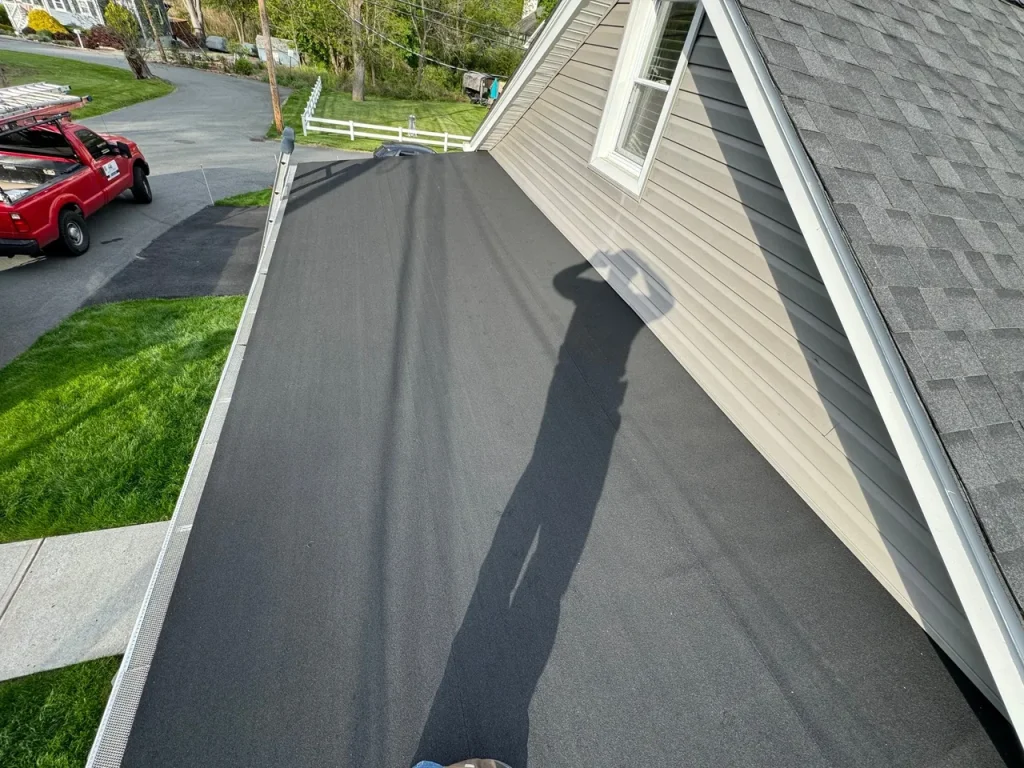

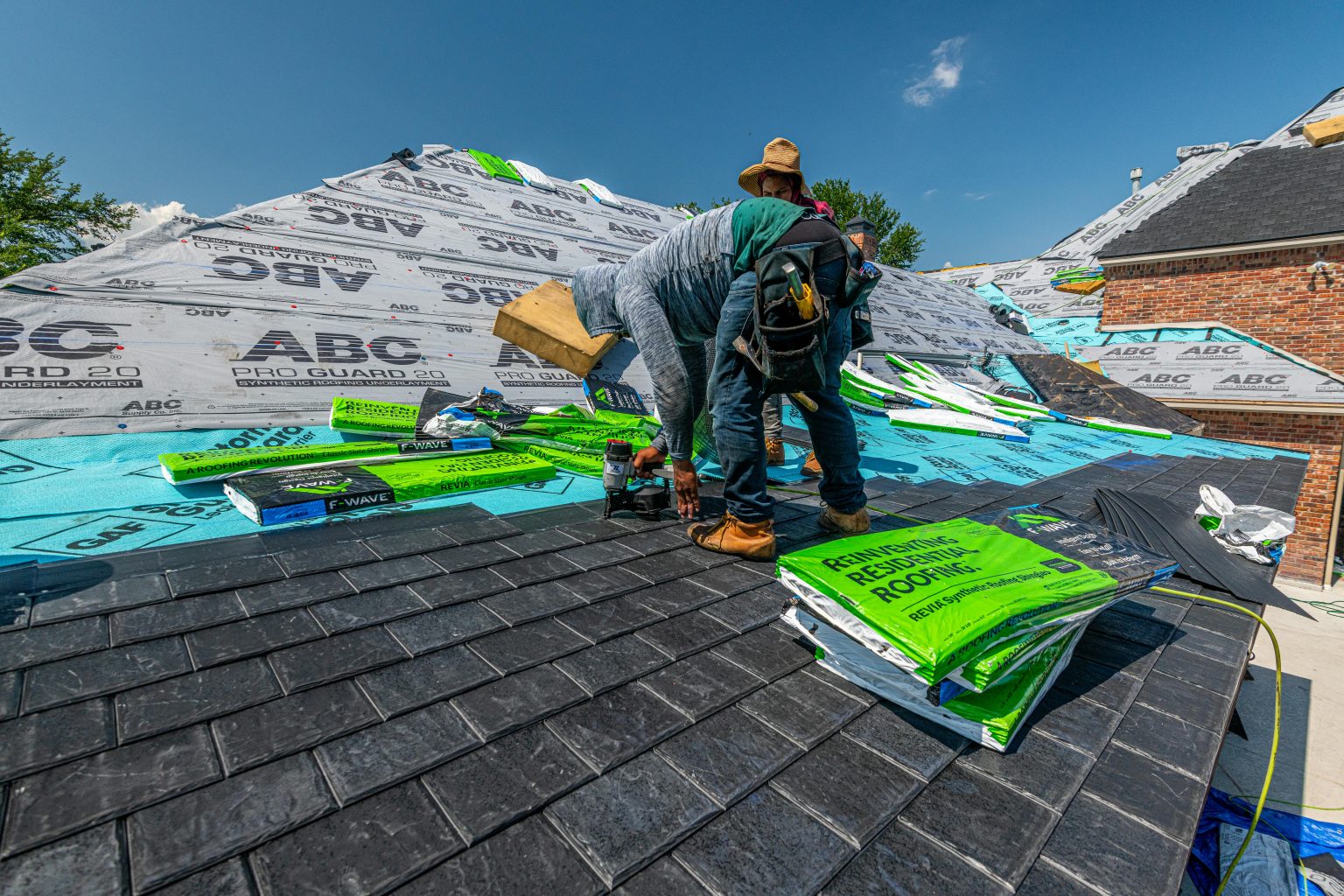
Flat roofs ask for a different kind of respect. They look simple from the ground, often cleaner and more modern than pitched roofs, but anyone who has spent time diagnosing leaks on a commercial unit, apartment block, extension, or garage knows the truth. A flat roof is less forgiving than it appears. Water moves slowly, details matter more, and small defects have a way of turning into expensive interior damage if they are ignored for even one wet season.
That is why good flat roof repairs are rarely just about patching a visible hole. The real work is finding out why the roof failed in the first place. Sometimes the answer is obvious, such as storm damage or foot traffic that crushed the membrane around a rooftop unit. More often, the cause is a combination of age, poor drainage, weak detailing, and repairs that were never meant to last beyond a few months.
Owners usually call when they see a stain on a ceiling tile, bubbling paint near a parapet wall, or standing water that remains days after rain. By that point, the roof may have been failing quietly for some time. The membrane may be split, the insulation could be wet, and fasteners or adhesives may have started to lose their grip. This is where judgment matters. Not every problem calls for a full replacement, but not every patch is worth the labor either.
Why flat roofs fail differently
A sloped roof sheds water quickly. A flat roof, even one built with proper fall, manages water rather than simply throwing it off. That difference changes everything. The membrane stays exposed to sun, thermal movement, foot traffic, and pooling water in ways that a pitched roof often does not.
On many buildings, the roof also carries more than weather. It may support HVAC units, solar equipment, walk pads, vents, pipe penetrations, satellite mounts, and sometimes a surprising amount of unplanned traffic from service contractors who are not roof specialists. Every one of those details creates another opportunity for wear or puncture.
Material type also matters. Built-up roofing, modified bitumen, EPDM, TPO, PVC, and liquid-applied systems all age differently and fail in different ways. An EPDM roof may suffer from shrinking or seam issues. TPO can show weld failures or brittle areas if installation quality was poor or if the product was overexposed. Modified bitumen may crack, blister, or split around stress points. A repair that works well on one membrane can be completely wrong for another. That is one reason flat roof repairs should begin with identification, not guesswork.
The leak is rarely where the stain appears
One of the most frustrating realities of flat roof troubleshooting is that water travels. A ceiling stain in the center of a room can be caused by a failure several meters away, especially if water is moving along insulation joints, steel decking ribs, conduits, or interior framing. People naturally focus on the spot where the damage shows up inside, but the roof does not always cooperate with that logic.
I have seen leaks blamed on perfectly sound skylights when the real issue was an open seam uphill near an equipment curb. I have also seen a tenant insist that a brand-new rooftop unit caused the problem, only for the inspection to reveal that the drains were blocked with leaves and the ponding had simply found the weakest seam on an aging membrane. Good diagnosis takes patience. The visible symptom is only a clue.
A proper inspection usually starts with the field membrane, then moves to all transitions and penetrations. Seams, corners, parapets, curbs, drains, scuppers, pitch pockets, edge metal, and termination bars deserve close attention. If there is any question about trapped moisture, infrared scanning or a controlled test cut can help determine how far the problem extends. Without that step, a repair may look successful on the surface while wet insulation continues degrading below.
Ponding water, the issue people underestimate
Of all the recurring flat roof problems, ponding water is one of the most misunderstood. Many owners treat it as cosmetic because the roof does not immediately leak. Yet standing water adds weight, accelerates membrane wear, holds heat, encourages biological growth, and exposes weak details for longer periods. It is less a single defect than a force multiplier.
A little water that evaporates within a day or two after rain is common on older roofs and not always a crisis. Water that lingers for several days, especially in deep depressions, deserves attention. The cause may be structural deflection, crushed insulation, poor original design, blocked drainage, or settlement around rooftop equipment.
The smart solution depends on the cause. If drains or scuppers are blocked, cleaning and routine maintenance may solve the issue. If low spots have developed because insulation has compressed or the deck has sagged, the answer may involve localized re-sloping with tapered insulation during a larger repair area. If the roof structure itself has moved, cosmetic fixes on the surface will not hold for long.
What does not work well is repeatedly coating over a ponding area without correcting drainage. Some coatings are not designed to sit under standing water for extended periods, and even where the product technically allows it, the underlying weakness remains. That kind of repair often buys time, but not much certainty.
Membrane punctures and splits
Flat roofs are vulnerable to punctures in a way many building owners do not expect. One dropped tool, one careless service technician dragging a metal panel, or one unsecured fastener backing up under the membrane can create a breach. On some sites, birds, rodents, and even hail can also play a role, though foot traffic is the usual suspect.
A puncture repair sounds straightforward, and often it is, if the membrane around it is still in good condition. The area is cleaned, dried, prepared according to the membrane type, and patched with compatible material. The edges are sealed or welded, depending on the system. Done well, a localized patch can last for years.
The challenge comes when the visible puncture is only part of the story. On older roofs, a split may indicate shrinkage, stress, or embrittlement across a wider area. In those cases, patching the one opening may be like sewing one tear in a shirt that has become thin everywhere else. It fixes the immediate opening, but more failures are likely nearby.
This is where experience helps. If a roof has multiple punctures from repeated traffic, the durable answer may include installing walkway pads and changing maintenance access routes. If the membrane is aging uniformly, the repair conversation should be honest about the remaining service life. No one benefits from pretending a series of patches is a long-term plan when the material is signaling otherwise.
Seams, laps, and the details that decide everything
Most flat roofs do not fail in the middle of the field first. They fail at the details. Seams open. Flashings loosen. Corners pull. Edge metal separates. Penetrations move. These are not glamorous problems, but they are where many leaks begin.
On single-ply systems, seam integrity is critical. Heat-welded membranes can perform extremely well, but only if the welds were made correctly and the substrate remains stable. Adhesive seams on older systems can weaken with age, contamination, or moisture intrusion. On modified bitumen and built-up roofs, lap failures can show up as splits, ridges, or openings that are hard Roof Repairs to spot until water finds them.
Repairing these areas demands surface preparation and compatibility. A rushed patch over dirt, oxidation, or trapped moisture is not a repair, it is a delay tactic. I have lifted plenty of failed patches that looked acceptable from a ladder but peeled back with almost no resistance because the substrate was never properly cleaned or primed.
Corners and transitions deserve extra care because thermal movement concentrates stress there. A field patch on a smooth open area is simple compared with a repair at a curb corner, drain bowl, or parapet termination. These are the places where skilled workmanship pays off. A neatly cut patch with the right reinforcement and secure edge treatment can prevent repeated call-backs. A rough patch, even if it holds for a few weeks, usually announces its weakness at the next hard rain.
Flashing failures around walls and penetrations
If there is one category of defect that causes endless nuisance leaks, it is flashing. Flat roofs meet walls, pipes, vents, skylights, supports, and equipment curbs at dozens of awkward transitions. Every transition must remain watertight while the building expands, contracts, vibrates, and settles. That is a hard job for any material.
Parapet walls often hide trouble. Cap flashings may look sound while the Roof Repairs royaltyexteriorsnj.com base flashing below has cracked or detached. Water can enter at the top of the wall, run behind the membrane, and appear inside far from the point of entry. Pipe penetrations have their own pattern of failure. Rubber boots age. Clamps loosen. Sealants dry out. Metal penetrations move under thermal stress. Pitch pockets, if neglected, can become chronic leak points because the filler shrinks or separates over time.
The smart approach is to repair these details in a way that accounts for movement, not just appearance. Flexible, compatible materials matter. So does proper termination. A clean-looking bead of generic sealant around a pipe might satisfy the eye for a month, but it rarely satisfies weather over a full year. Roof Repairs succeed when the detail is rebuilt to the membrane manufacturer’s standard or a proven equivalent, not when it is merely disguised.
Blisters, ridges, and trapped moisture
Not every bubble or raised section in a flat roof is an emergency, but none should be dismissed without context. Blisters can form in membranes or between layers where air or moisture has become trapped. Ridges may result from movement, poor adhesion, or underlying substrate changes. Sometimes these conditions remain stable for years. Sometimes they are an early warning sign that the roof system is losing cohesion.
The right response depends on size, location, and behavior. A small stable blister in a field area may be best left alone and monitored, because cutting into it can create a leak risk where one did not exist yet. A blister in a traffic path, near a seam, or in a place where it is likely to split may justify intervention. If moisture is already under the system, the conversation shifts from surface appearance to moisture migration and insulation condition.
This is where owners can get mixed advice. Some contractors lean toward aggressive cutting and patching of every imperfection. Others prefer minimal disturbance. Both approaches can be right or wrong depending on the roof assembly and the moisture profile below. Blanket rules are not helpful. Inspection, moisture assessment, and the building’s maintenance budget all shape the decision.
When a patch is smart, and when it is false economy
One of the hardest conversations in roofing is telling an owner that a repair is technically possible but financially unwise. Most people ask a reasonable question first: can it be patched? In many cases, yes. The better question is whether the patch solves a localized defect on an otherwise serviceable roof, or whether it postpones a replacement that is already due.
A targeted repair makes sense when the roof has useful life left, the damage is limited, and the surrounding membrane is still sound enough to hold a proper bond or weld. It also makes sense when the leak source is clear and isolated, such as a puncture, a failed boot, or a separated flashing section.
Patchwork becomes false economy when failures are repeated across multiple zones, when insulation is widely saturated, when seams are opening in several locations, or when the membrane has aged to the point that new material cannot reliably integrate with the old. Spending a few thousand on recurring call-outs can feel cheaper than capital replacement, until you total the annual spend and add interior repairs, tenant disruption, and emergency response costs. At that point, the “cheap” option often turns out to be the expensive one.
There is also a timing issue. A temporary repair ahead of winter or before a tenant fit-out can be entirely sensible if everyone understands it is a bridge, not a cure. Problems arise when temporary measures are treated as final solutions simply because they held through one storm.
The role of coatings and overlays
Roof coatings are often marketed as easy answers, and sometimes they are a very good tool. They can extend the life of certain roof systems, improve reflectivity, and seal minor weathering across large areas. But coatings are not magic. They perform well only when the underlying roof is dry, stable, and suitable for that specific system.
A coating applied over wet insulation or unstable seams does not solve the hidden problem. It just seals it in, at least for a while. Surface preparation is everything. The roof usually needs cleaning, repairs to all defects, reinforcement at critical transitions, and verification that adhesion will be reliable. When those steps are respected, a coating can be an efficient way to gain additional service life. When they are skipped, the coating often becomes an expensive skin over a failing assembly.
Overlays can also be viable in some circumstances, especially where tear-off costs or operational constraints are significant. Yet an overlay still depends on the condition of the existing substrate. If trapped moisture, structural concerns, or extensive deterioration are present, layering over the problem is not a smart solution. It simply hides the evidence until the next owner or facilities manager inherits a bigger issue.
What a thorough repair process actually looks like
The best Roof Repairs follow a disciplined sequence. First comes inspection, not only of the leak location but of the drainage pattern, membrane condition, flashings, and likely movement points. Then comes diagnosis of the failure mechanism. Was the problem caused by impact, age, design, deferred maintenance, or another trade damaging the roof?
Next comes moisture evaluation where needed. This may be as simple as a careful test cut in a suspected area or as sophisticated as infrared review on a larger building. After that, the repair scope can be matched to the actual condition found. Materials are selected for compatibility, not convenience. Weather conditions are considered, because some repairs should not be rushed in cold, damp, or windy conditions that compromise adhesion or welding.
Only then should the repair itself begin. The damaged area needs to be cut back to sound material if necessary, cleaned properly, dried fully, and rebuilt with attention to detailing. Once complete, the area should be checked, photographed, and documented. On larger properties, it helps to keep a roof plan with repair dates and locations marked. That simple record often reveals patterns over time. Repeated failures near one parapet or drain usually tell you more than a stack of invoices ever will.
Maintenance is not glamorous, but it saves roofs
Owners love capital projects they can point to. They are less enthusiastic about maintenance visits that produce no dramatic before-and-after photos. Yet routine maintenance is one of the best investments a flat roof can get.
A semiannual inspection, often in spring and autumn, catches small problems before they become wet insulation and damaged interiors. Drains can be cleared, flashings checked, sealants reviewed, membrane scuffs identified, and service contractor damage documented. After major storms, a follow-up inspection is wise, especially on roofs with older membranes or a lot of rooftop equipment.
The practical value is hard to overstate. I have seen roofs gain several extra years of service simply because someone kept drains clear and addressed minor seam openings early. I have also seen relatively young roofs deteriorate fast because nobody noticed repeated foot traffic at the same access point until the membrane was chewed up and the insulation below was soft underfoot.
For facilities teams, one habit makes a noticeable difference: require any contractor who accesses the roof to report visible damage before leaving. Electricians, HVAC mechanics, and telecom technicians often see things while moving across the roof. If they know they are expected to speak up, small defects are found sooner.
Choosing the right repair partner
Flat roofing is one of those trades where the difference between average and excellent work is visible only after weather tests it. A clean invoice and a fast response are useful, but they are not enough. What matters is whether the contractor can identify the membrane correctly, explain the cause of failure, and justify the proposed repair in plain language.
A good repair specialist will tell you when a leak search is uncertain, when a patch is temporary, and when a larger intervention would be wiser. They should also be willing to say, “this area needs to be opened up to know for sure.” That kind of honesty is more valuable than overconfidence. Roofing is full of hidden conditions, and anyone who pretends otherwise is usually selling certainty they cannot deliver.
Documentation matters too. Photos before and after, moisture findings, locations of repairs, and a record of material type all help with future decisions. On larger buildings, these details become part of the maintenance history and can save significant money later when budgeting for replacement or warranty work.
The real goal is not just stopping the leak
A successful flat roof repair does more than make the next storm pass quietly. It restores a detail, protects the insulation, preserves the structure, and buys time in a controlled way. Sometimes that means a neat localized patch that solves a simple puncture. Sometimes it means admitting the roof has moved beyond efficient repair and needs partial or full replacement planning.
The smartest solutions come from looking beyond the wet ceiling tile. Why did water get there? What conditions allowed the failure? What repair will remain compatible with the roof as it continues to age? Those are the questions that separate reactive patching from professional roof management.
Flat roofs reward that discipline. When the drainage works, the details are sound, and maintenance is steady, they can perform very well for many years. When corners are cut, they tend to reveal it quickly. That is why good Roof Repairs are never just about materials. They are about diagnosis, craftsmanship, timing, and the willingness to solve the actual problem instead of the most visible symptom.
Royalty Exteriors
151 NJ-10 Suite 103A
Succasunna, NJ 07876, United States
+1 973-333-7234
FAQ About Roof Repairs
Can you fix a roof leak without replacing the whole roof in Succasunna,NJ?
Often, a localized leak can be repaired without replacing the entire roof, depending on its cause and the condition of the surrounding materials. Damaged shingles, flashing, or a roof penetration may need targeted work. Royalty Exteriors offers roof repairs for leaks, storm damage, and shingle issues. An inspection is needed to determine the appropriate scope.
What is considered a minor roof leak?
A leak may be considered minor when the damage is limited to a small area and the surrounding roofing remains sound. A small ceiling stain alone does not establish the extent of the problem because water can travel before becoming visible. Have the source and any concealed damage assessed promptly.
Is it better to repair or replace a leaky roof?
The decision depends on the roof's age, overall condition, leak source, extent of damage, and history of previous repairs. A localized problem on an otherwise serviceable roof may be suitable for repair. Widespread deterioration or recurring leaks may justify considering replacement. Ask for an inspection and a written explanation of the recommended work before deciding.