Why Roof Replacement in Succasunna, NJ Is Essential After Major Storms
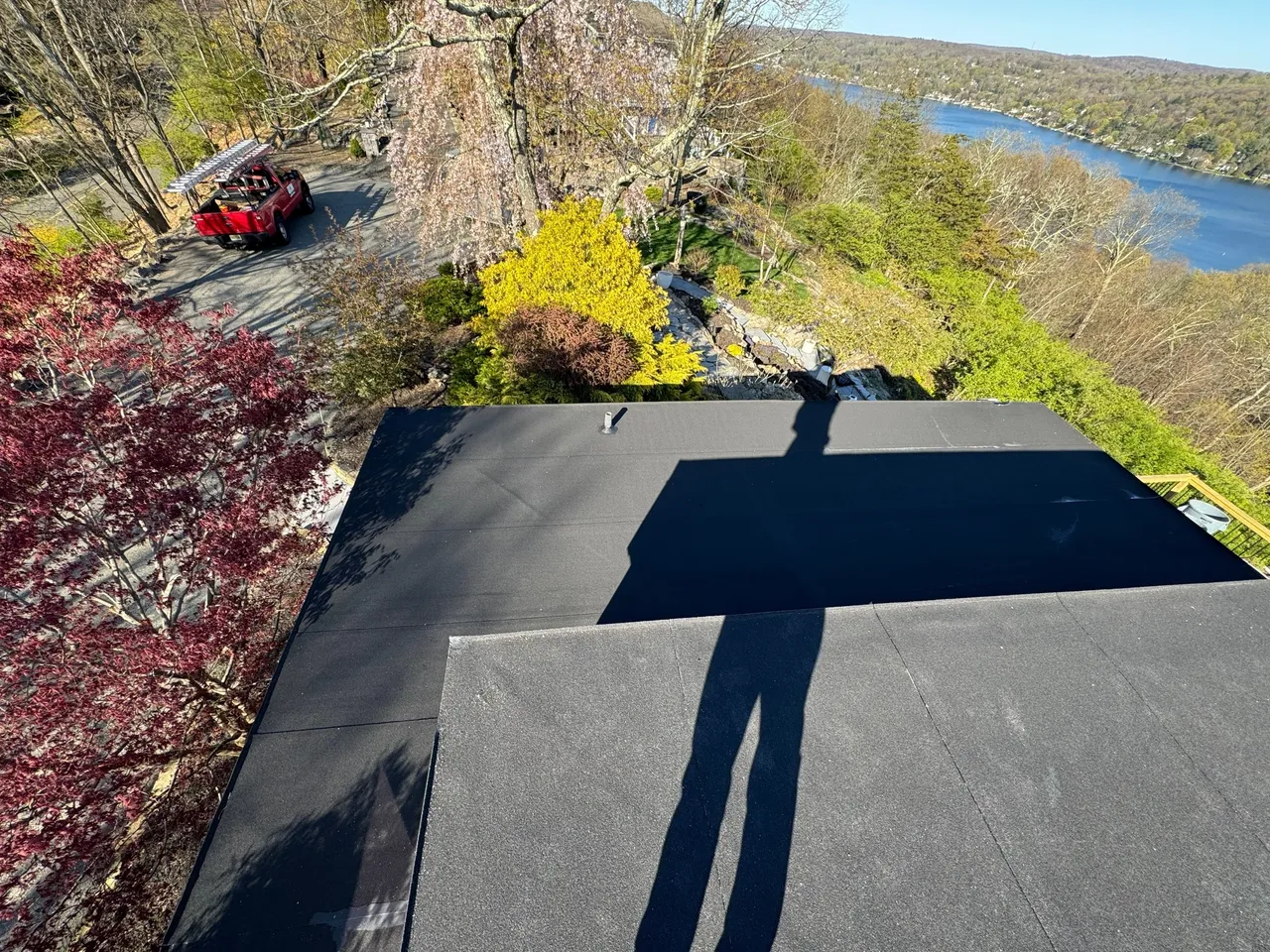
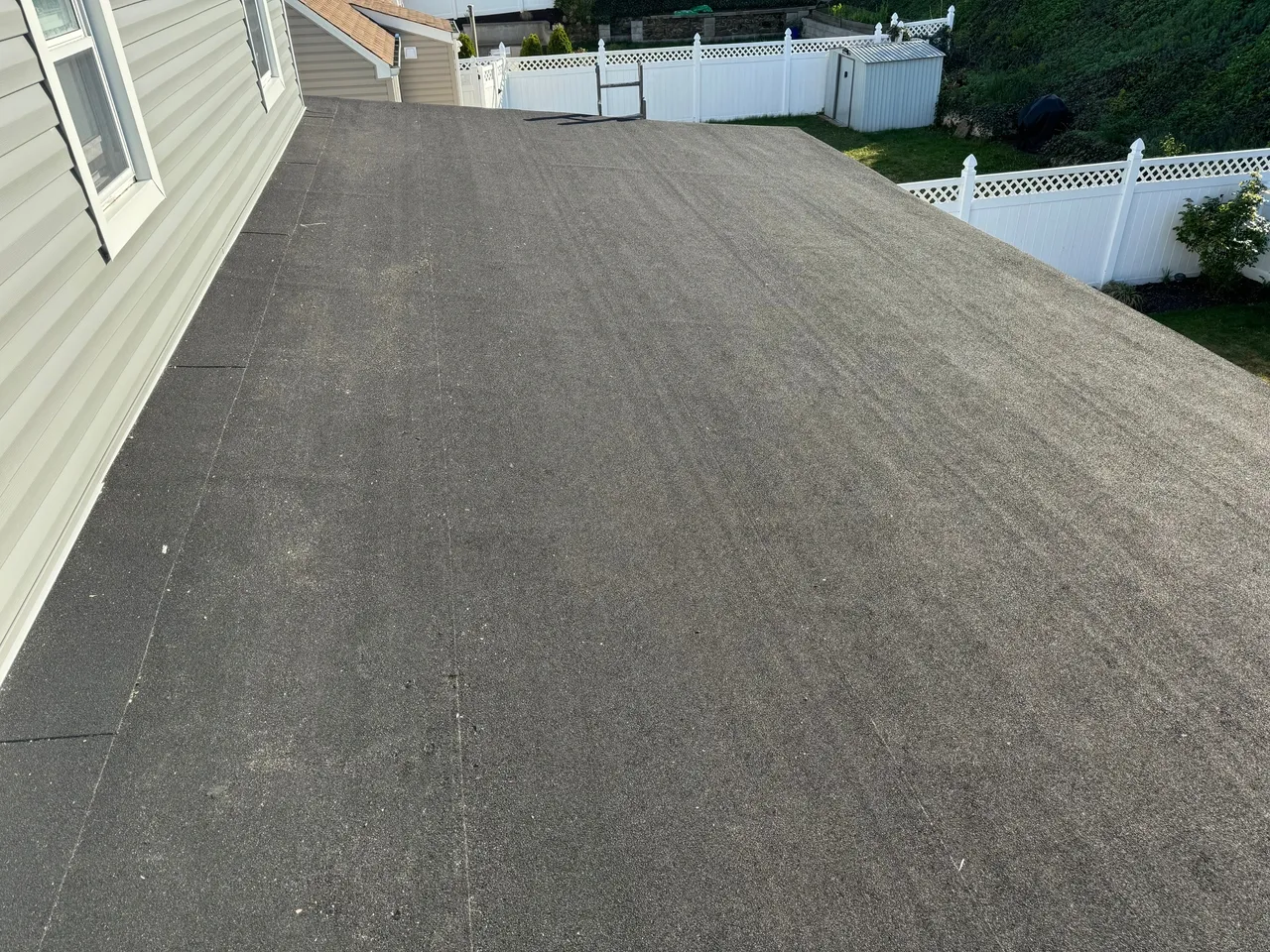
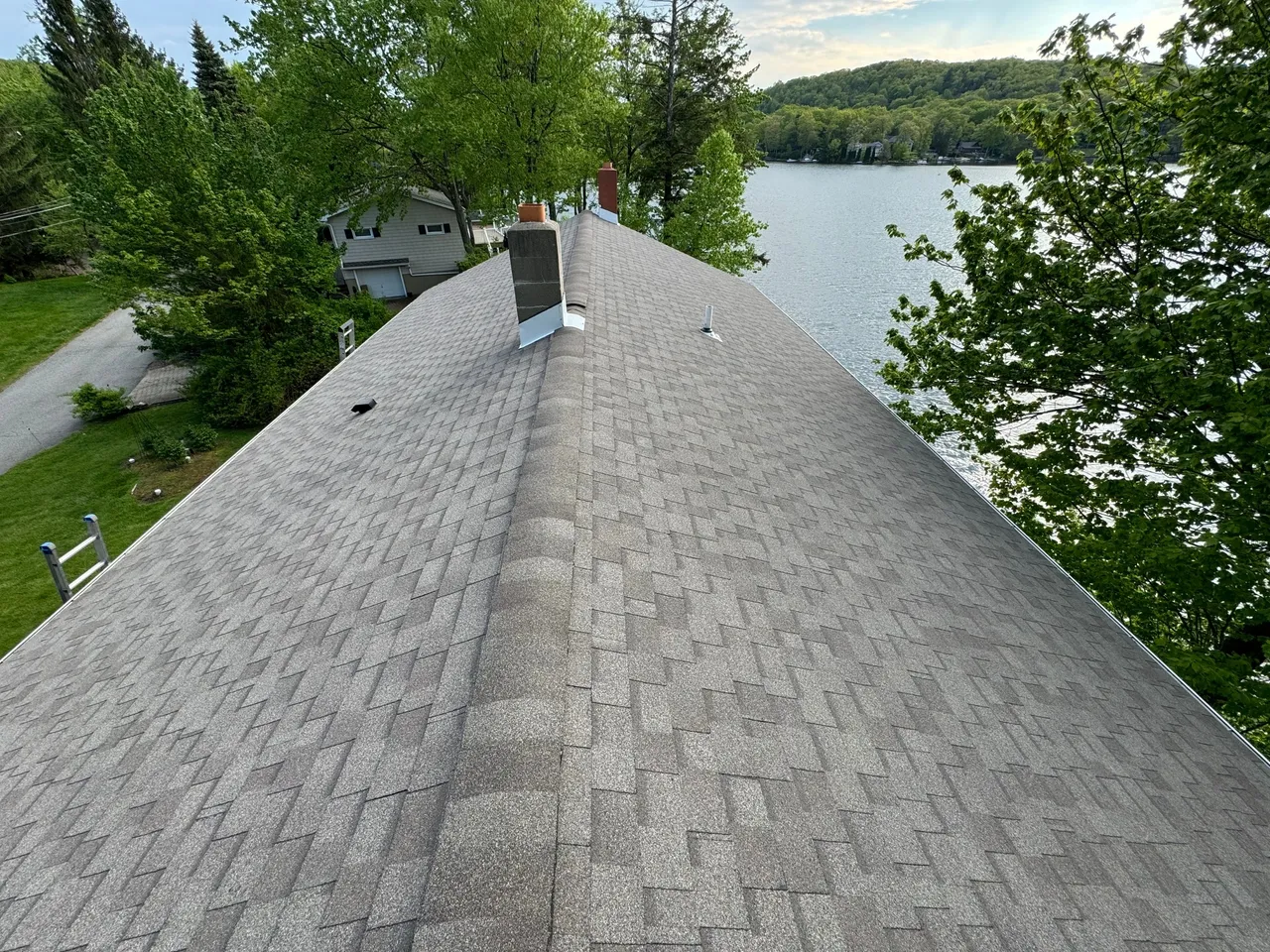
Major storms do not damage every roof in a way that is obvious from the driveway. That is one of the most expensive misconceptions homeowners in Succasunna carry into the weeks after high winds, pounding rain, wet snow, or hail. A roof can look mostly intact from the street and still be compromised in ways that lead to leaks, mold, warped decking, insulation damage, and interior repairs that cost far more than dealing with the roof itself.
In Morris County, weather is not gentle for long stretches of the year. Succasunna homes can go from summer thunderstorms to ice, then to freeze-thaw cycles, then back to heavy rain and wind. A roof that has already been through fifteen, twenty, or twenty-five years of service often does not recover well from a major storm. What would have been minor wear on a newer system can become the tipping point for an older one. In those cases, patching is often the short-term answer that creates a long-term bill.
That is why Roof Replacement Succasunna, NJ is not just a cosmetic project after severe weather. It is often the most practical way to restore structural protection, maintain property value, and avoid repeated emergency repairs.
Storm damage rarely stays isolated
Homeowners usually notice the dramatic signs first. Missing shingles on the lawn. Bent gutters. Water stains spreading on a bedroom ceiling. Those are easy to understand because they announce themselves. The more dangerous damage tends to be quieter.
When wind lifts shingles, even briefly, it can break the seal that helps keep water out. A shingle may settle back into place and still be compromised. The next rain pushes moisture underneath. Once that happens, water starts moving laterally, following the roof deck or underlayment until it finds a weak point. That is why the drip in the family room does not always appear directly below the damaged area.
After hail, the issue is not always puncture. Granule loss can shorten the life of asphalt shingles by exposing the mat to ultraviolet light and weathering. Over time, those areas dry out, crack, and lose more material. What looked like a storm that “did not do much” can age a roof several years in a single afternoon.
Snow and ice create a different kind of trouble in Succasunna. After a heavy winter storm, uneven attic temperatures can contribute to ice damming. Water backs up under shingles and reaches areas that were never designed to be submerged. If the roof was already worn, the chance of interior leakage rises sharply. Homeowners sometimes blame the storm alone, when in reality the storm exposed a roof that had reached the end of reliable service.
Why Succasunna homes face a particular kind of roofing stress
Local conditions matter. Roofing performance is not just about material quality. It is about how that material holds up in the specific climate, tree coverage, roof pitch, ventilation profile, and drainage patterns of the property.
Many homes in Succasunna sit under mature trees. That is great for shade, but it also means branches, leaf buildup, trapped moisture, and impact risk during storms. A roof that stays damp longer after rain is more vulnerable to deterioration. Debris in valleys and gutters slows drainage and can force water where it should not go.
Seasonal temperature swings are another factor. Expansion and contraction can slowly loosen flashing, stress sealants, and widen tiny vulnerabilities around roof penetrations such as vent pipes, skylights, and chimneys. Add one major storm to that aging system, and a replacement starts making more sense than another patch.
There is also the issue of layered repairs. On many older homes, one contractor fixed a leak near the chimney, another replaced a section after wind damage, and someone else addressed the back slope after an ice issue. Piece by piece, the roof becomes a collection of solutions rather than a unified protective system. That can work for a while, but after a major storm, those inconsistencies often show up all at once.
When repair stops being the smart option
Homeowners understandably want to avoid the cost of a full replacement. In the right circumstances, a repair is absolutely the right call. If the roof is relatively new, the storm damage is isolated, and the surrounding materials are still in strong condition, a skilled repair can extend the roof’s life without wasting money.
The problem is that many post-storm roofs no longer fit that description.
If a roof is already nearing the end of its expected lifespan, replacing a damaged section does not reset the age of the rest of the system. It only creates a newer patch surrounded by aging materials. The repaired area may be sound, but the adjacent shingles can continue to fail. Then the homeowner pays for service calls every season, not because the contractor did poor work, but because the roof itself has become unreliable.
I have seen this pattern repeatedly on storm-damaged homes. A homeowner pays for a few shingles here, some flashing there, and sealant around a vent stack a month later. Then a hard rain exposes a new leak over the garage. Winter arrives, snow piles up, and a stain appears near an exterior wall. By spring, the total spent on reactive work starts approaching a meaningful portion of a replacement, with none of the confidence that comes from a new roof assembly.
A full replacement often becomes the better financial decision when the roof has broad storm exposure, visible aging, repeated leaks, or hidden deck and underlayment issues. It is not the cheapest invoice that week. It is often the least expensive path over the next ten years.
The warning signs that point toward replacement
After a major storm, certain patterns suggest that repair may only delay a bigger problem.
- Missing, creased, lifted, or cracked shingles across multiple areas
- Granule loss showing up in gutters or at downspout outlets
- Interior water stains, damp insulation, or attic moisture after rain
- Soft or spongy decking underfoot during inspection
- Repeated leak history on an older roof, especially after past repairs
None of these signs alone automatically means full replacement, but together they build a strong case. Age matters too. An asphalt shingle roof in the later stage of its service life behaves differently than one installed five years ago. The same storm can produce very different outcomes.
One detail homeowners often overlook is seal failure. Modern shingles rely on adhesive strips to resist uplift. Once those seals are compromised in enough places, the roof becomes more vulnerable in every future wind event. You may not lose many shingles in the first storm, but the next one can strip off sections much more easily.
Water damage does not stop at the roofline
A storm-damaged roof is not just a roofing problem. It can become a whole-house problem surprisingly fast.
The first layer of cost is often the hidden layer. Wet insulation loses effectiveness. Roof decking can delaminate or rot. Nails can back out. Moisture in an attic can feed mold growth on framing or sheathing. Even a small leak that appears manageable from inside can spread into wall cavities, ceiling assemblies, and electrical fixtures.
Then there is the finish damage homeowners actually see. Drywall stains. Bubbling paint. Warped trim. Damaged flooring. A leak around a vent flashing can eventually show up as a ruined ceiling in a second-floor hallway and a discolored patch in the room below. The roof may have started the problem, but by the time it becomes visible indoors, the repair scope is larger.
After major storms, timing matters. The difference between replacing a compromised roof promptly and waiting six months can be thousands of dollars in collateral damage. That is especially true if the home takes on repeated moisture from multiple weather events.
Insurance claims are part of the equation, but they should not drive every decision
Storm-related roof work often raises insurance questions. Homeowners want to know whether damage is covered, whether they should file a claim, and whether replacement makes sense if the carrier approves only part of the cost.
Those are fair questions, but the roofing decision should start with the actual condition of the roof, not with guesswork about the claim. A sound inspection determines whether the system can reasonably be repaired or whether replacement is warranted. Once that condition is clear, the homeowner can compare it to policy terms and adjust accordingly.
One mistake I see often is delaying action while waiting for certainty. If the roof is actively vulnerable, waiting through more storms because “the claim is still being reviewed” can make the damage worse. Another mistake is assuming the insurer’s perspective and the homeowner’s long-term interest are always perfectly aligned. Insurance decisions are based on policy language and damage assessment. The homeowner’s decision should also consider age, reliability, resale value, and the cost of future repairs.
For Roof Replacement Succasunna, NJ projects after storms, documentation helps. Photos from the ground, photos from the attic if safe, records of interior staining, and notes on when leaks appeared can all support a clear assessment. The more specific the timeline, the easier it is to understand what the storm changed.
Why a replacement is often stronger than a patched old roof
A full roof replacement is more than new shingles. When done correctly, it gives the home a chance to restore the complete weather barrier. That includes underlayment, flashing details, ventilation review, deck evaluation, and proper fastening patterns. Those components matter as much as the visible surface.
A patched roof keeps older weaknesses in place. A replacement lets the contractor correct them. Poor flashing at chimneys can be rebuilt. Worn pipe boots can be replaced. Damaged decking can be identified and removed. Intake and exhaust ventilation can be checked to reduce moisture buildup and heat stress. If ice damming has been an issue, the replacement is a chance to address the roof assembly in a more durable way.
This is where homeowners often notice the difference in the first year after installation. The house feels drier in the attic. Seasonal leak anxiety fades. Gutter flow improves because edges and drainage details are handled properly. During the next heavy rain, there is less guesswork.
There is also a resale consideration. A visibly older, storm-damaged roof can complicate home sales, inspections, and buyer negotiations. Even if the interior looks clean, buyers know a roof problem is a leverage point. A documented replacement gives the next owner confidence and protects the seller from price concessions tied to visible wear.
The cost conversation deserves honesty
Roof replacement is a serious expense, and homeowners deserve straight talk about that. Pricing depends on roof size, pitch, accessibility, tear-off complexity, material choice, flashing details, deck repairs, and disposal costs. After storms, prices can also be affected by demand spikes and scheduling pressure.
But the cheapest way to Roof Replacement Succasunna, NJ handle a Roof Replacement Succasunna, NJ damaged roof is not always the least expensive decision. A low-cost patch on an exhausted roof can be the first of several. Emergency tarping, interior drywall repair, mold remediation, insulation replacement, and repeated leak service add up quickly. Even if each invoice looks manageable, the total often exceeds what the homeowner expected.
There is also a quality trade-off to consider. After major regional storms, out-of-town crews sometimes appear offering fast repairs at appealing prices. Some do decent work. Some do not. Storm conditions create urgency, and urgency can lead to poor judgment. A roof is not the place to buy uncertainty.
A careful replacement by a reputable contractor usually costs more upfront than a short-term fix. It should. It includes labor, materials, tear-off, detail work, cleanup, and accountability. If the roof has truly been compromised, that investment protects far more than the shingles on top.
Choosing timing after a storm
Homeowners often ask whether they should replace immediately or wait until the next season. The answer depends on the condition of the roof and the nature of the damage.
If water intrusion is active, if shingles are missing in exposed areas, or if the decking and underlayment have likely been compromised, delay is risky. Temporary protection may buy a little time, but it is not a season-long strategy. Tarps fail. Sealants weather. Wind returns.
If the storm damage is moderate and the roof remains watertight, there may be room to plan the project more deliberately. That can help with budgeting, insurance coordination, and contractor selection. Still, “not leaking today” should not be confused with “safe to ignore.” Many roofs leak only under specific conditions, such as wind-driven rain from one direction or heavy snowmelt along a vulnerable valley.
Homeowners in Succasunna also need to think in terms of weather windows. A roof that limps through late summer may perform very differently under winter snow load and freeze-thaw cycles. Replacing before the harsher season often prevents a bad situation from becoming an emergency.
What to do after a major storm hits your property
The first few days after a storm set the tone for everything that follows. Calm, thorough action usually leads to better outcomes than rushing into a repair decision based on one visible issue.
- Check for obvious exterior signs from the ground, such as missing shingles, bent flashing, fallen branches, or debris buildup
- Look inside the attic or upper floor ceilings for stains, damp insulation, musty odors, or visible moisture
- Document what you see with photos and dates, even if the damage appears minor at first
- Arrange for a professional roof inspection as soon as conditions are safe
- If the roof is actively leaking, use temporary protective measures while planning permanent repairs or replacement
That inspection matters because storm damage has layers. What the homeowner sees is only part of the picture. A trained eye can distinguish between surface wear, repairable damage, and system-wide failure. That distinction is where good decisions begin.
Material choices matter, but installation matters more
After storm damage, many homeowners start asking about tougher shingles, upgraded underlayments, and better wind ratings. Those are worthwhile questions. Material improvements can absolutely help a roof perform better in future storms.
Still, installation quality remains the deciding factor more often than product marketing. A premium shingle installed over compromised decking, poorly detailed valleys, or weak flashing will not deliver premium performance. On the other hand, a solid midrange system installed correctly can serve a home very well.
For homes in Succasunna, it makes sense to discuss wind resistance, algae resistance, ice and water protection in vulnerable areas, and attic ventilation. Those details should be tailored to the house itself. A steep roof with lots of tree cover has different priorities than a simpler roofline with broad sun exposure.
The best replacement strategy is not the one with the longest brochure. It is the one that fits the home, the budget, and the local weather reality.
Why waiting often costs more than deciding
A roof can survive a storm and still be done. That is the hard truth many homeowners resist because the roof did not fail dramatically enough to force the issue. But roofing systems do not have to collapse to become bad investments. Sometimes they simply become too vulnerable, too patched, and too close to the edge to trust through another season.
In those moments, Roof Replacement Succasunna, NJ is less about reacting to one storm and more about recognizing what that storm revealed. It showed where the roof was already weak. It exposed whether old repairs still held. It answered, sometimes harshly, whether the house still had the level of protection the family assumed it did.
Replacing a storm-damaged roof is not just maintenance. It is risk reduction. It is cost control. It is preserving the structure beneath it and the rooms below it. And for many Succasunna homeowners after a major storm, it is the decision that turns a recurring problem into a stable, long-term solution.
Royalty Exteriors
151 NJ-10 Suite 103A, Succasunna, NJ 07876, United States
+1 973-333-7234
FAQ About Roof Replacement Succasunna, NJ
What are signs a roof needs replacing?
Widespread shingle deterioration, repeated leaks, or damaged decking can point to a larger problem. A roofer can inspect the roof covering, flashing, and deck to determine whether the damage is localized or whether replacement makes more sense.
How long does it take to reroof a 2000 square foot house?
Royalty Exteriors estimates one to three days for many single-family roof replacements. A house’s floor area does not tell you the actual roof area. Pitch, roof features, weather, and any decking repairs can change the schedule.
How long should a roof last in NJ?
There is no single lifespan for every roof. Material, installation quality, attic ventilation, maintenance, and exposure to storms all affect how long a roof remains serviceable. An inspection can help you assess its condition and plan for replacement.